
SureGuard · Termite inspections
Termite Inspections in Geelong, Golden Plains & the Surf Coast
Understand the signs, the accessible areas inspected and what your report means for the next step.
Termite concerns deserve a focused assessment. SureGuard provides termite inspections for properties across Greater Geelong, Golden Plains, the Surf Coast and surrounding communities, with findings and practical recommendations explained in clear language.
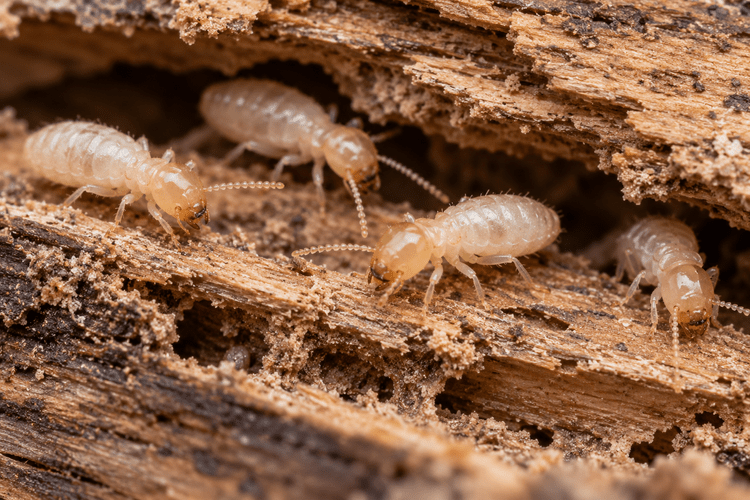
Suspect termite activity? Start with an inspection
An inspection helps assess evidence of termite activity, visible damage and conditions that may increase risk. It is different from a general pest treatment, a termite treatment or a building condition inspection.
Tell us what you have noticed, when it appeared and which areas are affected. Existing reports, treatment records and information about an installed termite management system can also help define the inspection scope. If you are buying a property or need a report for a particular purpose, discuss that requirement before booking.
If you find live termites, avoid disturbing the area or applying household insect spray. Contact us to arrange assessment. Victoria's building regulator advises against spraying or removing affected building material because it can make professional treatment more difficult.
Signs that warrant professional assessment
Mud-like tubes or material
Mud-like workings around timber, footings or service penetrations can warrant investigation. A photograph and the location may help with the initial discussion, but a picture alone cannot establish the extent of activity.
Damaged or weakened timber
Timber that appears damaged, breaks easily or has unusual internal galleries should be assessed. Other causes of timber deterioration are possible, so the finding needs to be interpreted in context.
Changes around damp areas
Leaks, moisture and changes around timber or building edges may justify closer inspection. These conditions do not prove termite activity, but they are useful information to discuss when arranging the service.
Previous activity or changed site conditions
If the property has a history of termites, previous treatment or recent landscaping or building work, tell us. Inspection and management requirements should consider those records and the property's current conditions.
What the inspection can cover
Accessible internal areas
Relevant accessible rooms and visible building elements are assessed within the agreed scope. Furnishings, storage and finishes can restrict what can be seen. The report should identify important access limitations and further assessment recommendations.
Roof spaces and subfloor areas
These areas are assessed where included, relevant and safely accessible. Roof and subfloor access is affected by clearance, obstructions and site conditions. An inaccessible space should be recorded rather than represented as inspected.
External building edges and surrounds
The assessment considers agreed accessible external areas, possible signs of activity and relevant conditions around the building. Tell us about detached structures, fences, trees or stored timber you want included so the boundary is clear.
Existing management information
Provide previous termite reports, treatment paperwork and any management-system details available. Inspection does not automatically include servicing, replenishing or certifying an existing system; those requirements need their own scope.
A clear process from booking to report
1. Agree the inspection and access
We discuss the property, concerns and purpose of the report. Confirm the buildings and areas to be included, known access restrictions and any relevant deadlines. Ask about timing and reporting requirements before booking.
2. Assess relevant accessible areas
The inspection looks for evidence relevant to termite activity and risk within the agreed scope. Access restrictions and observations are recorded. Further investigation may be recommended where findings or limitations warrant it.
3. Explain the findings
We discuss what was observed and what it means. Visible damage, evidence of activity and risk conditions are different findings and should not be treated as interchangeable conclusions.
4. Recommend the next step
You receive a report and recommendations appropriate to the findings. The next step may involve monitoring, improving conditions, further access or a separately quoted management proposal. Treatment is not automatically included in the inspection fee.
What your termite inspection report should help you understand
- The property and areas covered by the agreed inspection
- Relevant evidence of termite activity or visible damage found
- Conditions that may contribute to termite risk
- Important access restrictions and inspection limitations
- Recommended actions, further assessment or review intervals
An inspection records findings at the time of the visit. It cannot guarantee that concealed activity is absent or that termites will not affect the property later. It also does not establish the full structural significance or repair cost of damage; further advice from an appropriate building professional may be needed.
How often should a termite inspection be arranged?
Victoria's Building and Plumbing Commission recommends a pest-controller inspection every 12 months, particularly in high-hazard areas. Your property's history, management system and assessed conditions may call for a different review interval.
Keep previous reports and system documentation, follow the applicable maintenance requirements and seek advice sooner if you notice suspicious activity. A routine inspection schedule is not a reason to ignore a new concern between visits.
Read the regulator's termite guidance for Victorian property owners.
Inspection, treatment and ongoing management are different services
Termite inspection
Assessment and reporting help you understand the property's current accessible evidence and risk conditions. The report informs the next decision; it is not a treatment or a promise of future protection.
Termite treatment
Where activity is identified, treatment options need assessment and a separate agreed proposal. Methods, product selection and follow-up depend on the termites, property and proposed management approach.
Ongoing management
Future inspections, maintenance and any installed system's requirements remain important. We explain recommended actions arising from the inspection and what is included in any separately agreed service.
Practical steps between inspections
Keep drainage and plumbing in good order, avoid storing timber against or beneath buildings, and keep relevant inspection areas accessible. Do not cover inspection zones or bridge an existing management system with landscaping or stored materials without appropriate advice.
These actions support management; they do not replace an inspection. For further background, see Victorian Department of Health termite information.
Termite inspections across the region
SureGuard services Geelong, Lara, Golden Plains, the Surf Coast and surrounding communities, including Bannockburn, Teesdale, Inverleigh and Torquay.
View our service areas. For other household pest concerns, see residential pest control and general pest control. Businesses can also discuss commercial pest management.
Termite inspection FAQs
Does an inspection include treatment?
No. Inspection and reporting are separate from treatment. If findings call for a management proposal, we discuss the options and scope before treatment is arranged.
Can you guarantee the property is termite-free?
No. An inspection has access and visibility limitations and records findings at the time. Concealed or inaccessible activity may not be detectable, and future activity can occur. Your report explains the relevant limitations and recommendations.
What should I do before the inspection?
Provide previous reports and treatment records if available. Discuss access to rooms, roof hatches, subfloor entrances, building edges and any detached structures included in the quote. Follow the specific access instructions supplied and avoid disturbing suspected activity.
Are brick or steel-framed homes free from termite risk?
No. A building can contain susceptible timber or other food sources even if its frame or external walls use other materials. Inspection requirements should be assessed for the whole property rather than inferred from the frame type alone.
Can I use this service when buying a property?
Tell us before booking. A pre-purchase timber pest report may have a different purpose, scope and agreement from an ongoing termite inspection. Confirm the report required by you and your advisers rather than assuming the services are interchangeable.
How much does a termite inspection cost?
From $250, The quote reflects property size, construction, buildings included, access and reporting requirements. Describe the property and the reason for the inspection so the scope and price can be confirmed before the appointment.
Request a termite inspection quote
Tell us your suburb, property type, any signs you have found and whether the inspection is routine, prompted by activity or connected with a property purchase. We will discuss the appropriate scope and next step.